
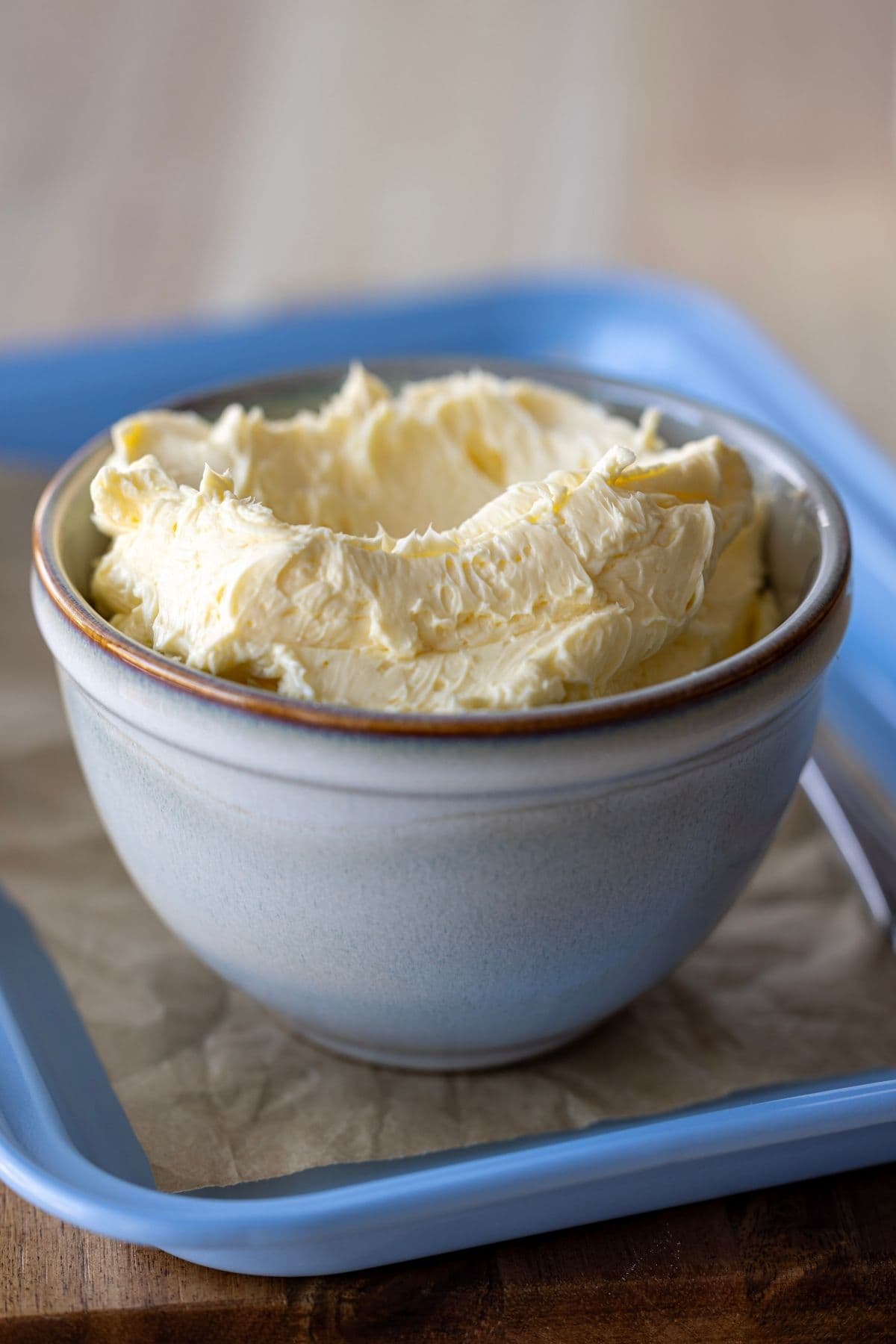
Homemade cultured butter is made by fermenting heavy cream with live cultures before churning it into butter. That extra fermentation step creates a richer, deeper butter flavor with a subtle tang.
It takes very little hands-on time and requires just cream, yogurt and salt. Most of the time is simply waiting for the cream to culture … much like sourdough fermentation! As a bonus, once the butter separates, you’ll also have fresh cultured buttermilk to use in pancakes, cakes and, of course, sourdough bread.
This post contains affiliate links. Please see our disclosure policy.
Table of Contents
- Why you’ll love this recipe!
- Cultured Butter vs Regular Butter
- Ingredients
- How To Make Cultured Butter
- What If My Cream Doesn’t Thicken?
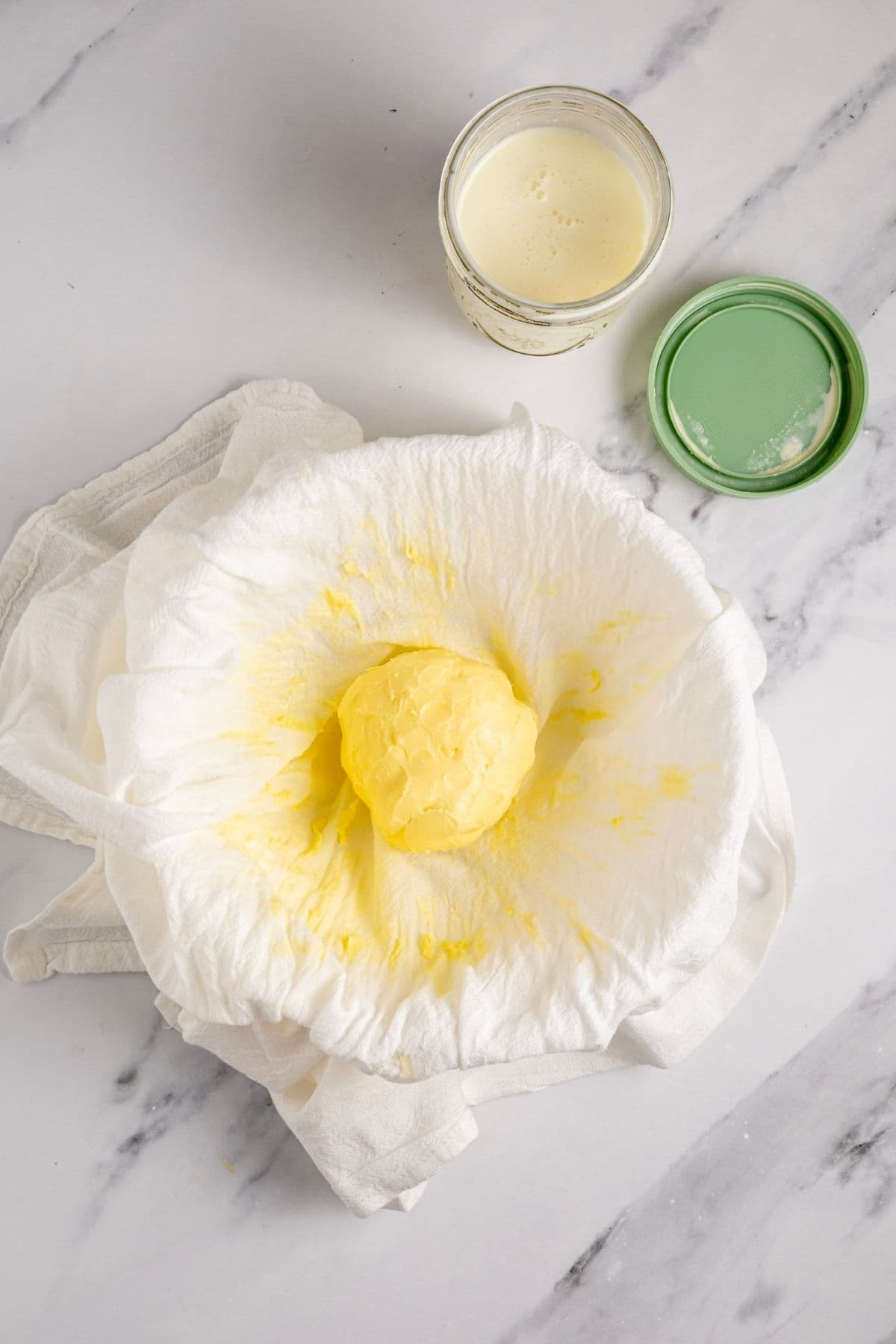
- Don’t Throw Away the Cultured Buttermilk!
- What Does Cultured Butter Taste Like?
- What To Spread Cultured Butter On?
- How To Store Cultured Butter
- How To Make Cultured Butter Recipe
Why you’ll love this recipe!

Only 3 Ingredients – Heavy cream, live-culture yogurt and salt.
Mostly Hands-Off – The cream cultures while you get on with your day. The actual churning takes only minutes using a stand mixer.
Incredible Flavor – Fermentation creates a richer, nuttier and slightly tangy butter compared with regular sweet cream butter.
Two Recipes in One – You get both cultured butter and cultured buttermilk from one batch. In my testing, this recipe yields around 200–250 g of cultured butter and approximately 320 g of cultured buttermilk, depending on the cream you use and how thoroughly you remove the liquid from the butter.
Cultured Butter vs Regular Butter
Cultured butter is made by fermenting cream with beneficial live bacteria before churning it, while regular sweet cream butter is usually made by churning fresh cream without fermentation.
That extra fermentation time gives cultured butter its characteristic rich, slightly tangy and nutty flavor, which is why it tastes so good simply spread over fresh sourdough bread.
Cultured butter is often associated with European-style butter, which generally has a higher butterfat content than standard butter. However, they aren’t exactly the same thing: cultured describes how the butter is made, while European-style generally refers to butter with a higher butterfat content.
Standard butter is usually around 80% butterfat, while European-style butter is often around 82–85%. Homemade cultured butter will vary depending on the cream you start with and how much liquid is removed during churning and washing.
Ingredients
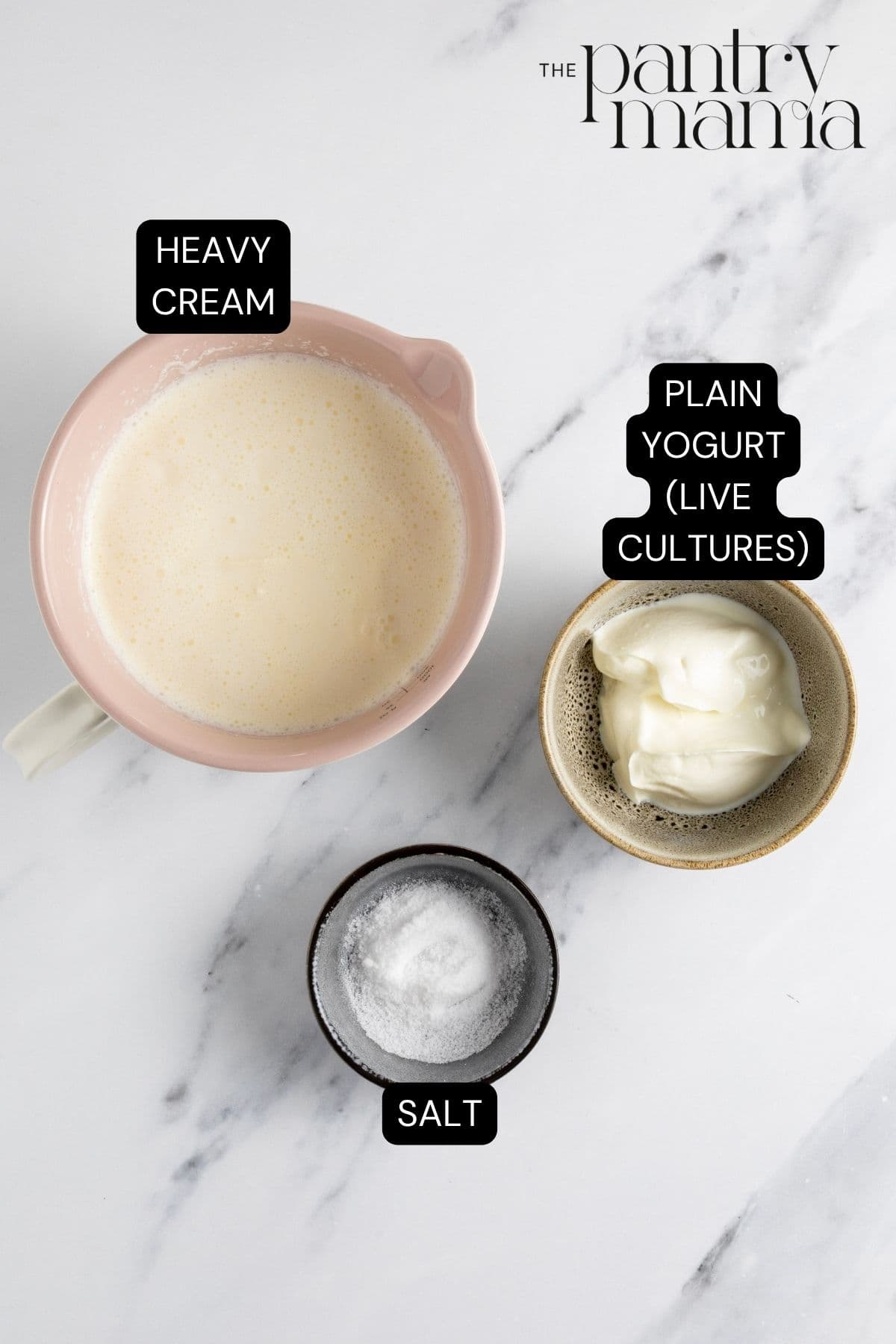
- Heavy Cream – Use a good-quality heavy cream with a minimum fat content of 35%. Ideally, choose one without gums, stabilizers or thickeners. I prefer cream that isn’t ultra-pasteurized because I find it cultures more predictably, but the most important thing is a high milk-fat content. I tested this recipe using cream containing around 38% milk fat, which produced a rich butter and separated easily.
- Yogurt – Use plain, unsweetened yogurt that specifically states it contains live cultures. Full-fat yogurt works beautifully. If you can’t find yogurt with live bacterial cultures, you can use cultured buttermilk, crème fraîche or sour cream as an alternative.
- Salt – Optional, but I like adding a little to the finished butter for flavor. Seriously, I don’t believe in unsalted butter!
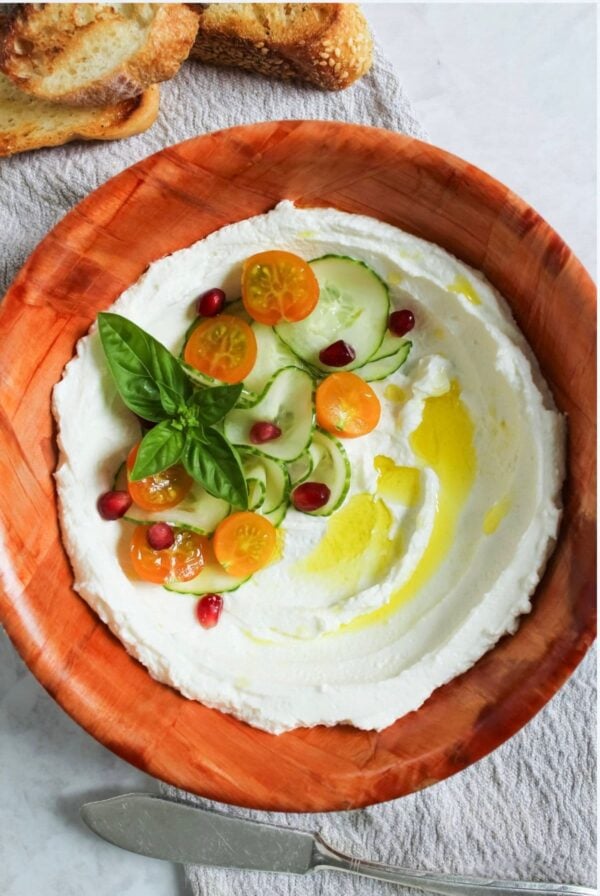
And if you’re interested in making cultured butter, you might enjoy making your own homemade ricotta too!
How To Make Cultured Butter
Culture the Cream
Add the yogurt to the cream and stir well so it’s evenly distributed. I like to use a large 1 litre jar for this. Leave the cream at room temperature for 12 to 24 hours, or up to 48 hours if you want a stronger cultured flavor.
Don’t rely only on the clock. The cream is ready when it has thickened noticeably and smells pleasantly tangy. Fermentation will happen more quickly in a warm kitchen and more slowly in a cool one, just like sourdough.
Kate’s Pro Tip
What If My Cream Doesn’t Thicken?
You don’t need to take the temperature of the cream, just leaving it on your kitchen counter at a fairly consistent temperature is fine. However, if your cream doesn’t thicken and bubble, it could be that your kitchen was too cool. Try placing the jar of cream in your microwave with the door slightly ajar to keep the light on.
Once cultured, chill the cream in the refrigerator. I like to leave it for 12 to 24 hours, but as long as it has chilled thoroughly for at least 1 hour, it’s ready to churn.
Churn the Butter
Pour the chilled cultured cream into the bowl of a stand mixer and fit the whisk attachment. You can also use a butter-churning jar or simply shake the cream in a tightly sealed jar.
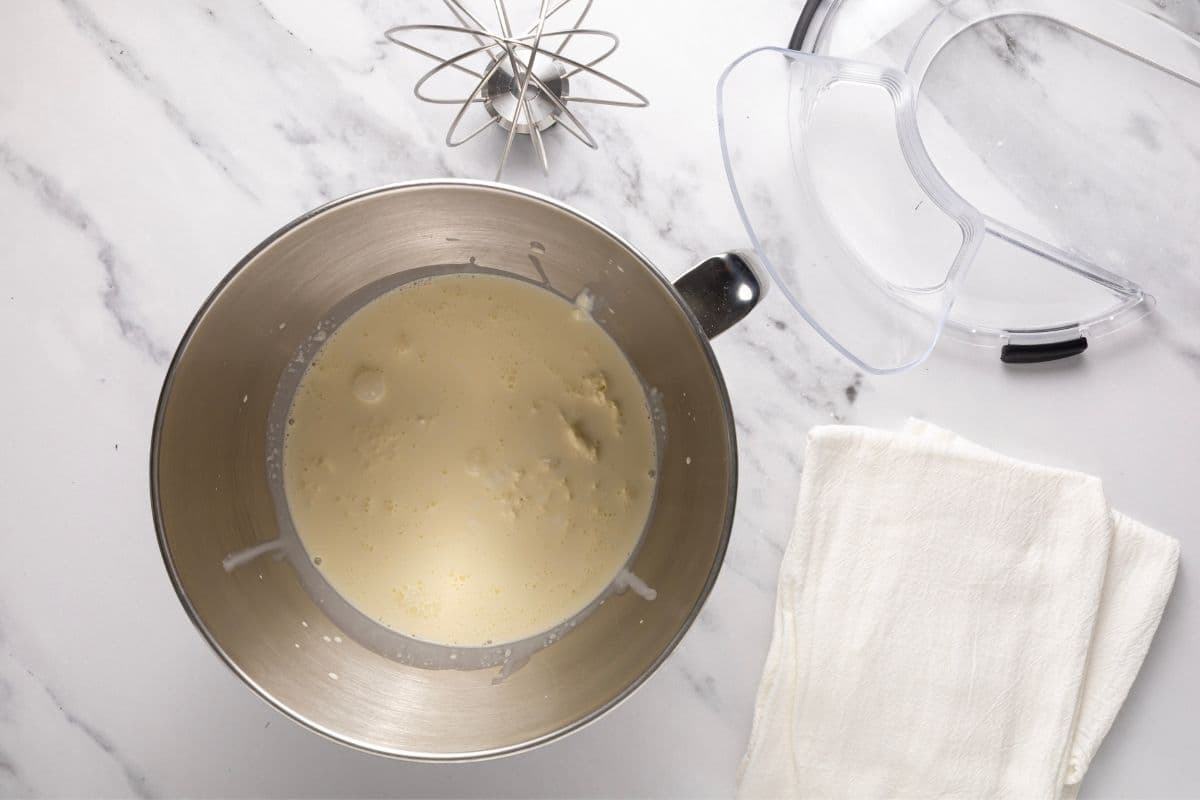
If you’re using a stand mixer, use the splatter guard. I also cover mine loosely with a clean kitchen towel because once the butter separates, the buttermilk can splash everywhere. I learned this the hard way!
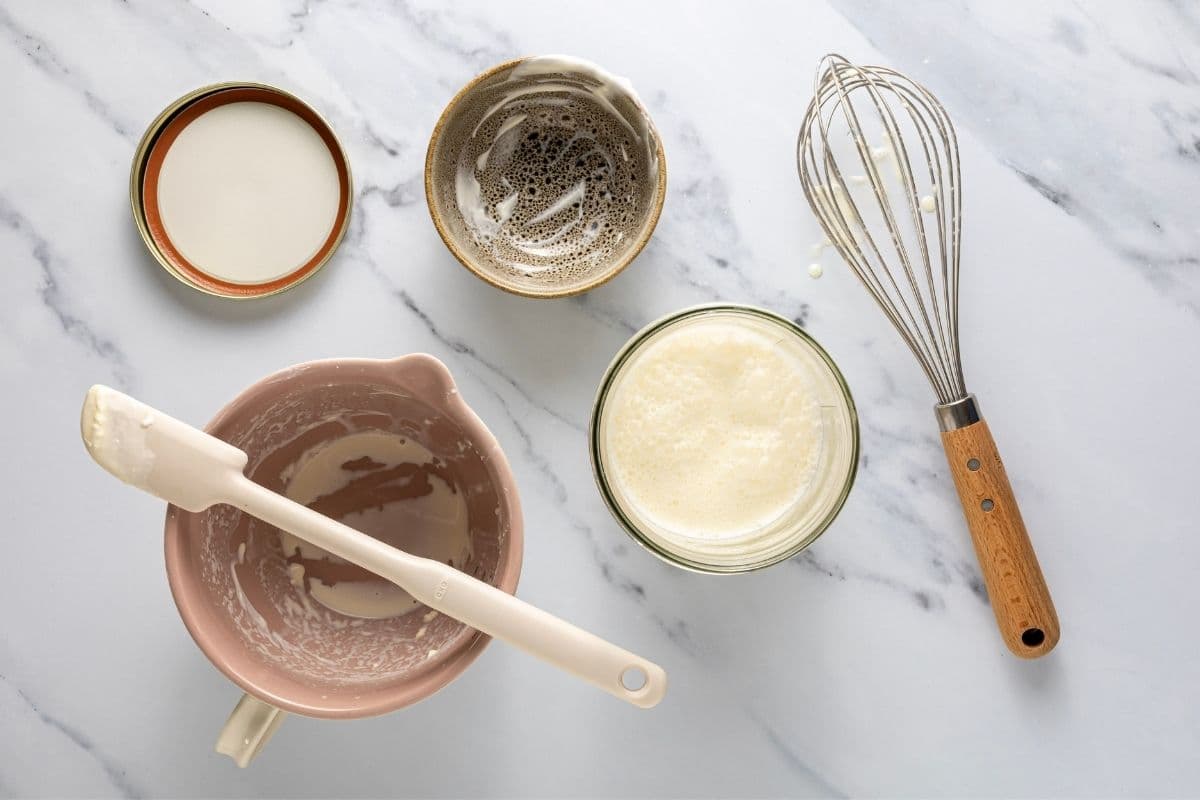
Whip the cream well past the whipped cream stage. It will become stiff, then grainy, before suddenly separating into yellow butter solids and cloudy cultured buttermilk. Once you can clearly see yellow butter solids sitting in cloudy buttermilk, stop the mixer.
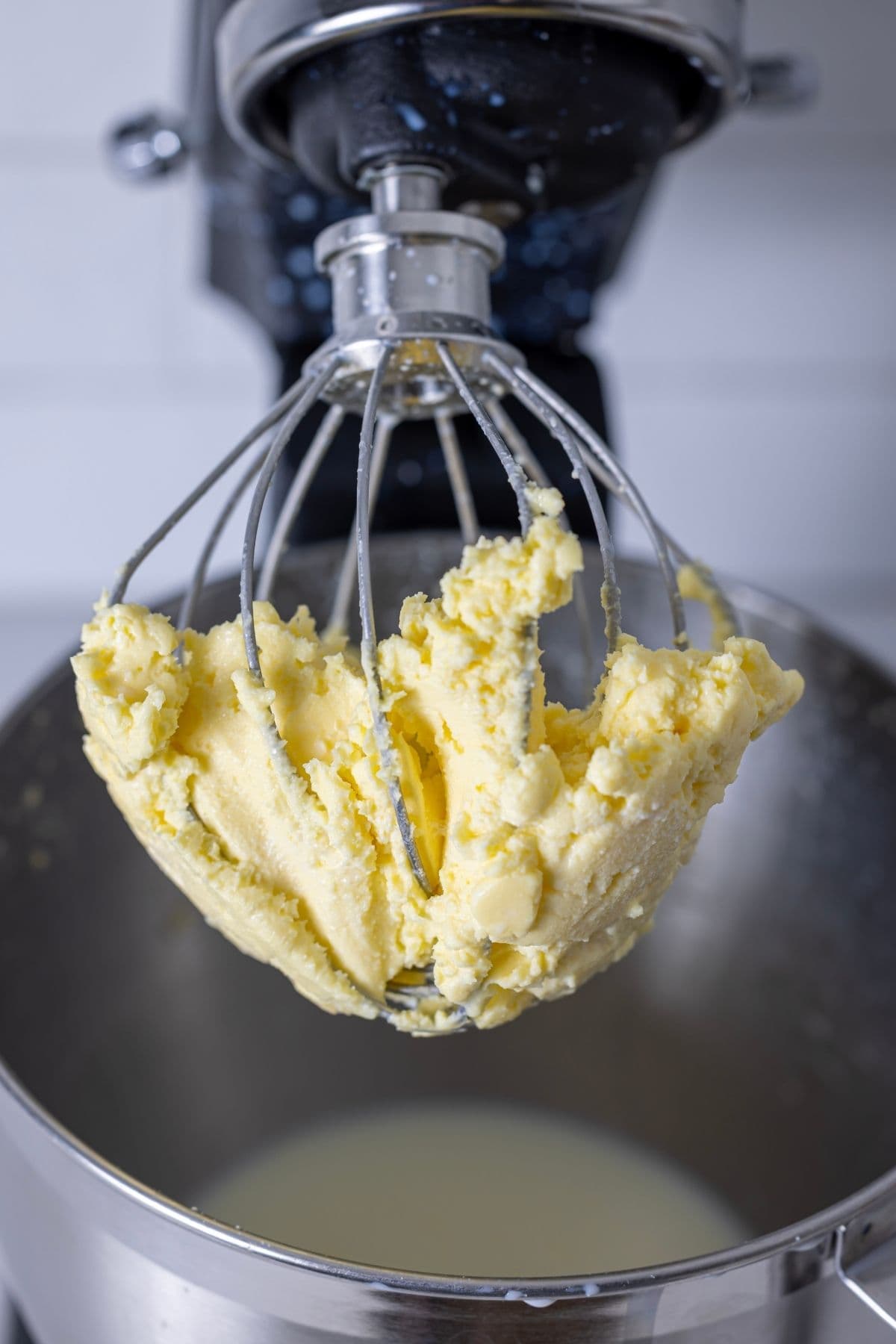
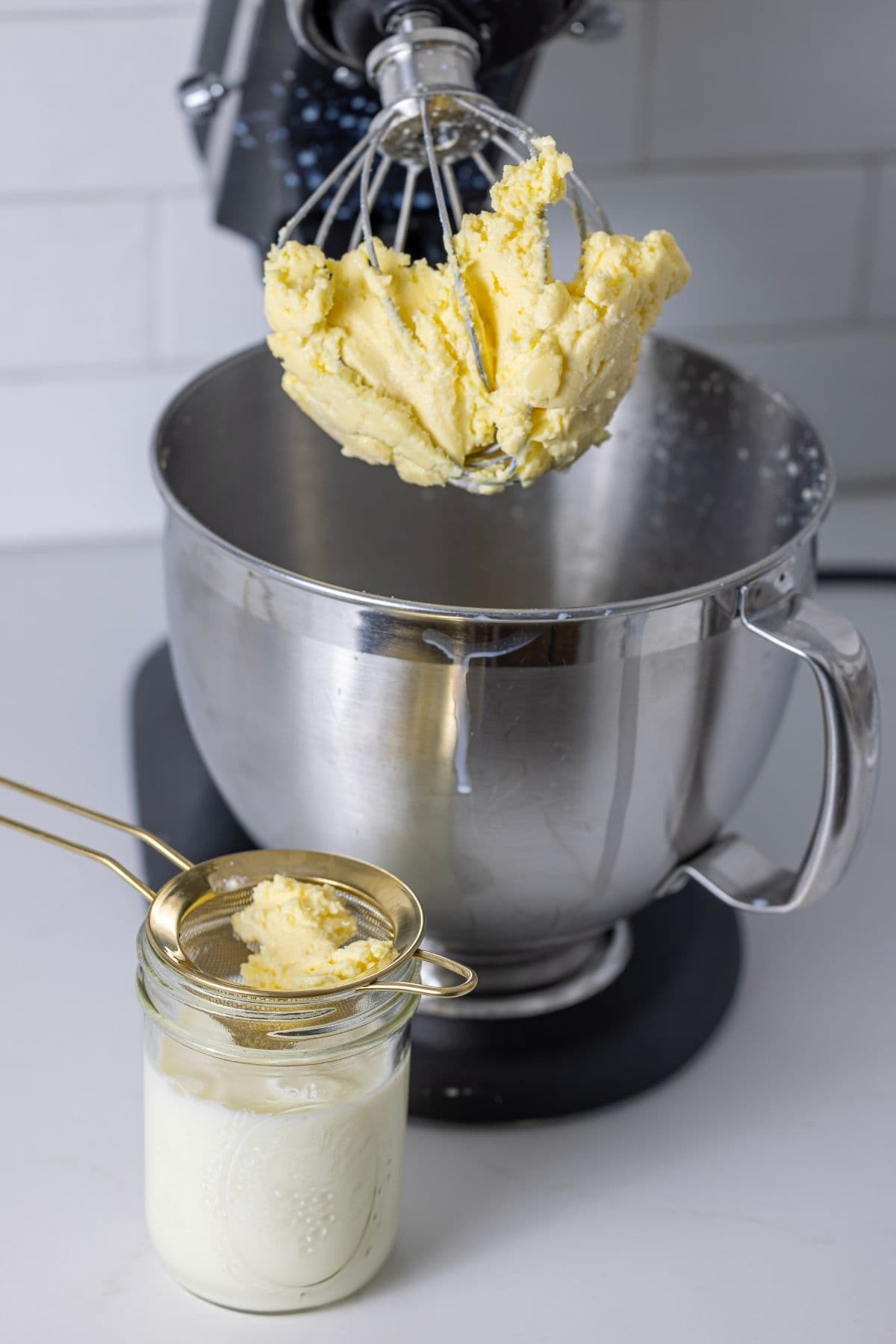
Pour the buttermilk through cheesecloth or a fine-mesh strainer into a clean jar. This catches any small pieces of butter so you can add them back to the main batch.
Wash the Cultured Butter
Washing the butter removes leftover buttermilk and helps improve its keeping quality. Start by squeezing as much buttermilk as possible from the butter. You can use your hands for this or wrap the butter in cheesecloth or a clean kitchen towel.
Return the butter to the mixer bowl and cover it with very cold water. I use around 1 litre (33 oz). Mix on low-medium speed, gradually increasing until the water turns cloudy. This is the remaining buttermilk being worked out of the butter. Drain the water and squeeze out as much liquid as possible. If there are small pieces of butter floating in the water, pour it through a fine sieve so you don’t lose them.
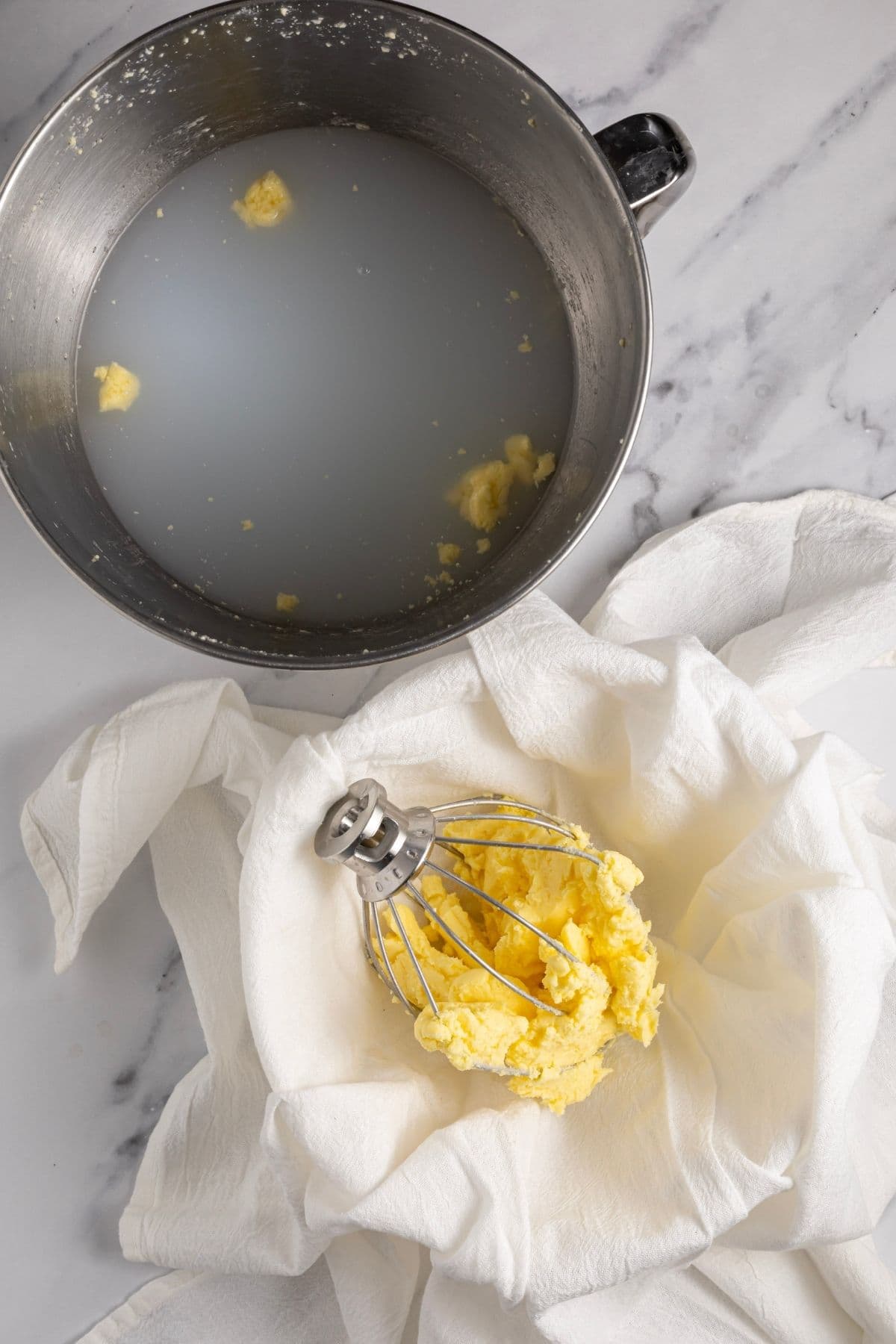
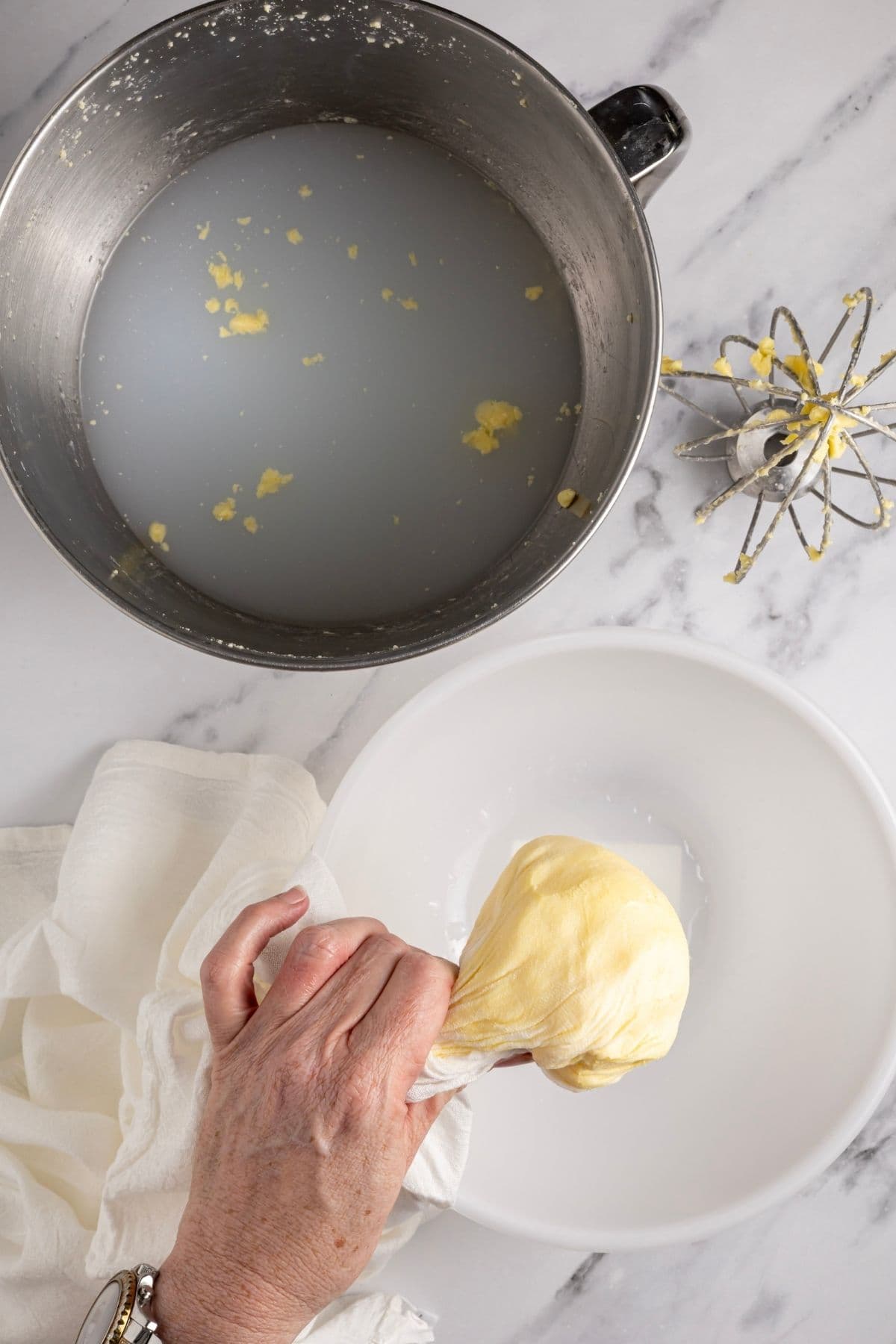
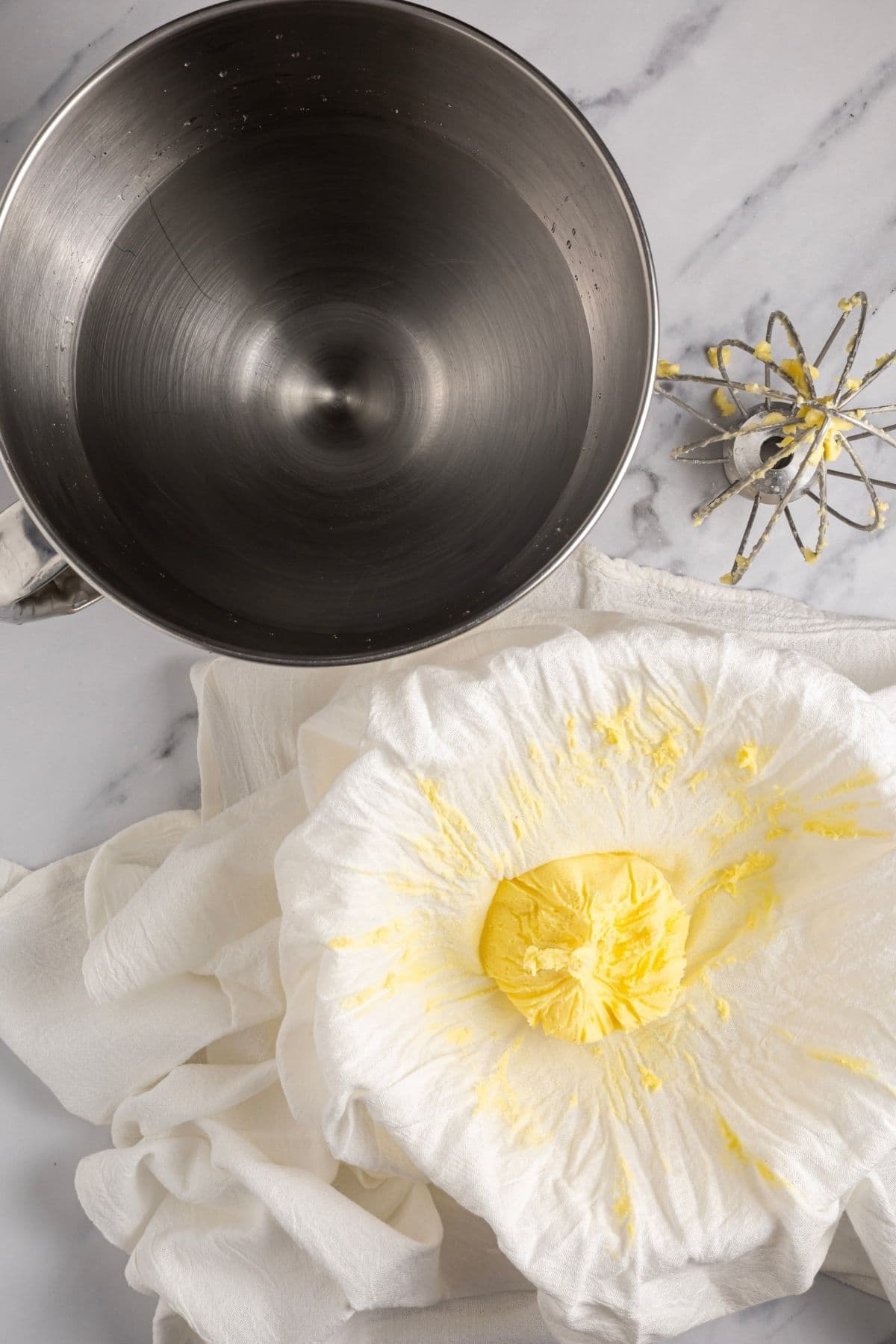
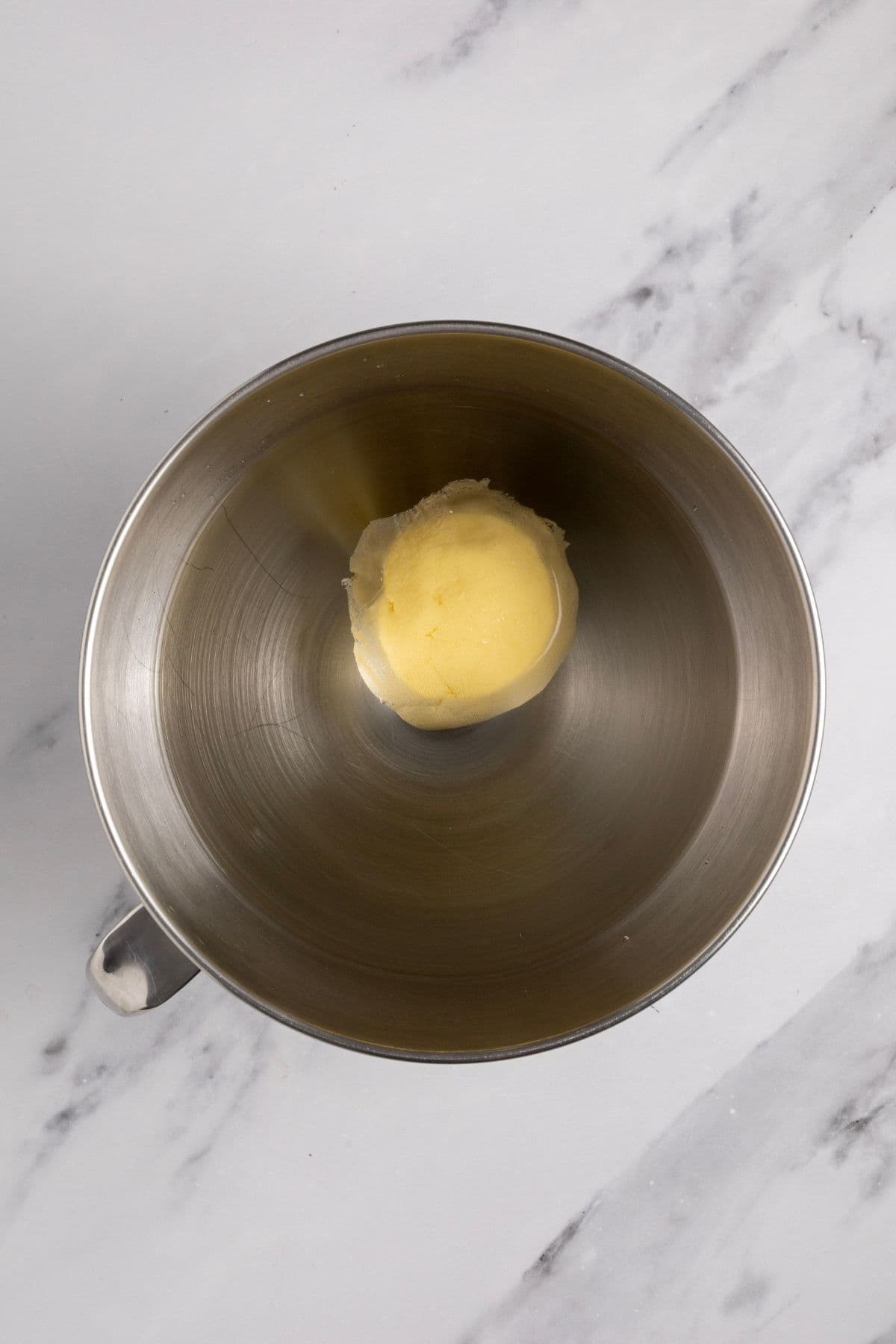
Repeat the washing process with fresh cold water. I usually wash my cultured butter twice, this is sufficient to ensure the water becomes mostly clear. The more cultured buttermilk you remove from the butter, the better the finished butter will keep.
Salt and Finish the Butter
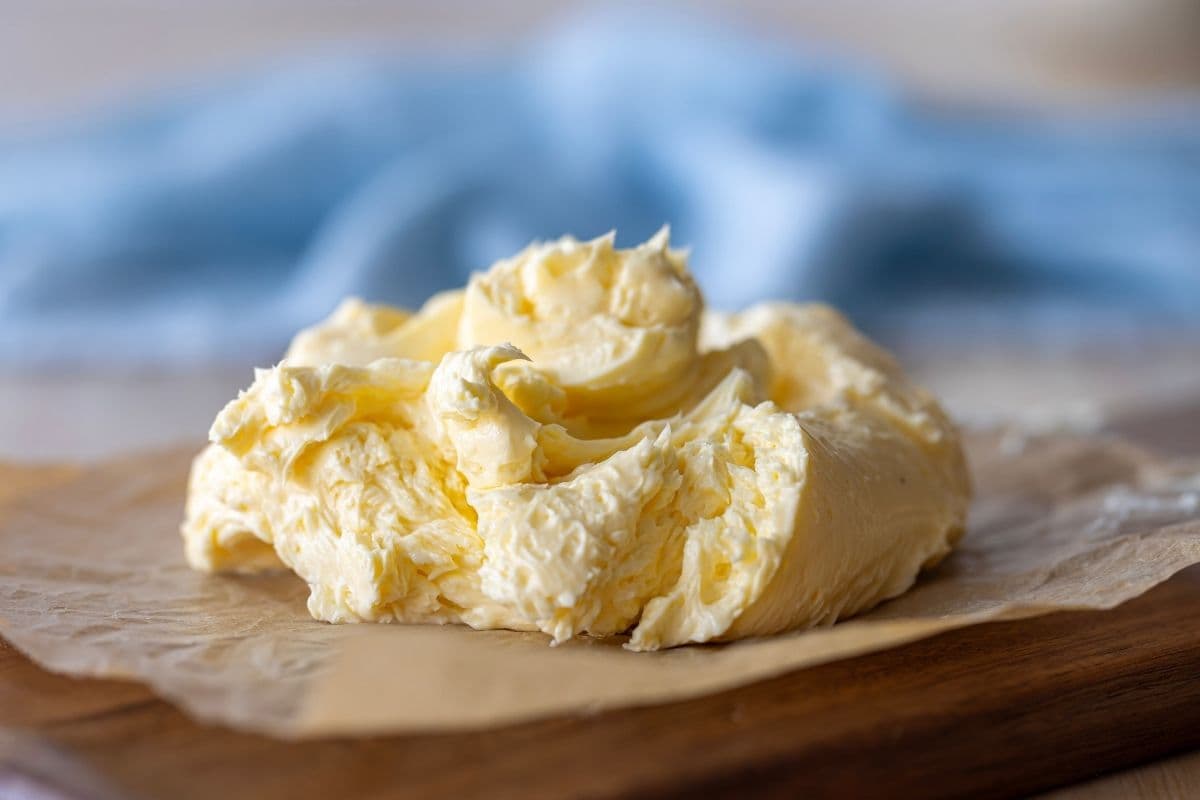
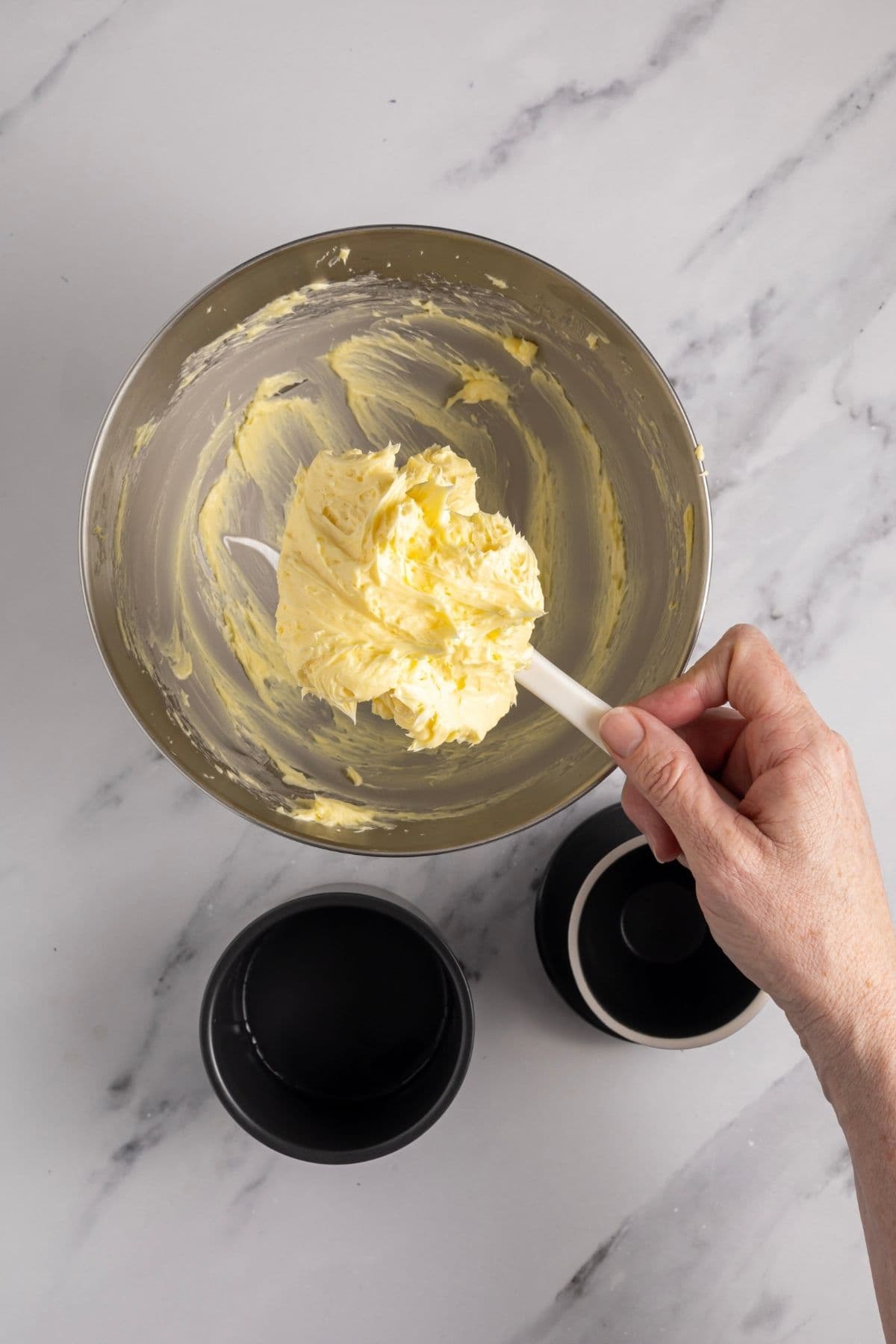
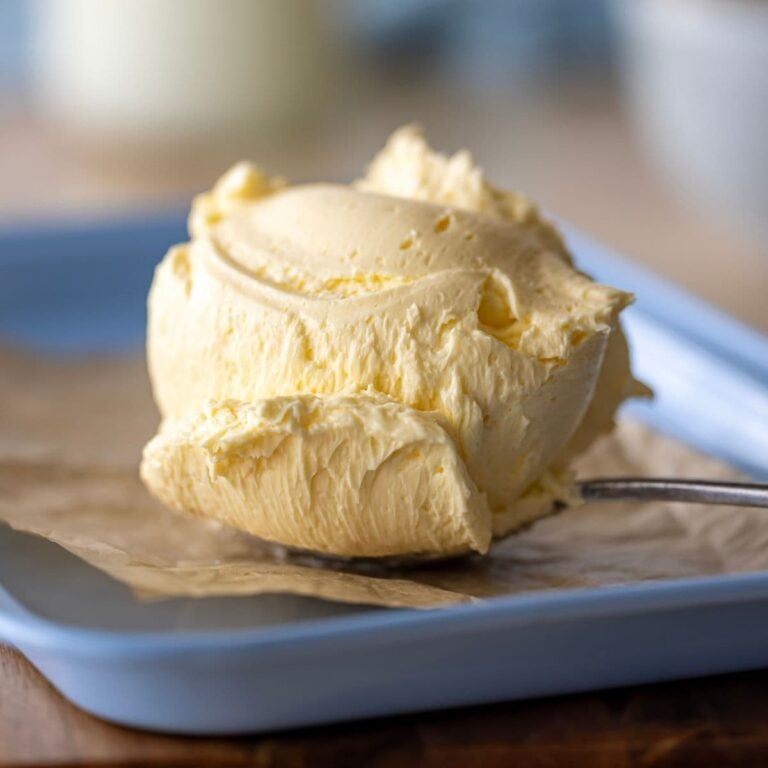
Clean and dry the mixer bowl, then return the washed butter. Add salt if you’d like salted cultured butter, then whip until the butter is smooth, creamy and paler in color. Whipping is completely optional, but I find it gives the butter a creamier texture and makes it much easier to spread. Transfer to a clean jar, butter dish or butter bell and refrigerate.
Don’t Throw Away the Cultured Buttermilk!
Once you’ve made cultured butter, save some of the cultured buttermilk. You can use it to culture your next batch of cream, which means you won’t need to add yogurt again.
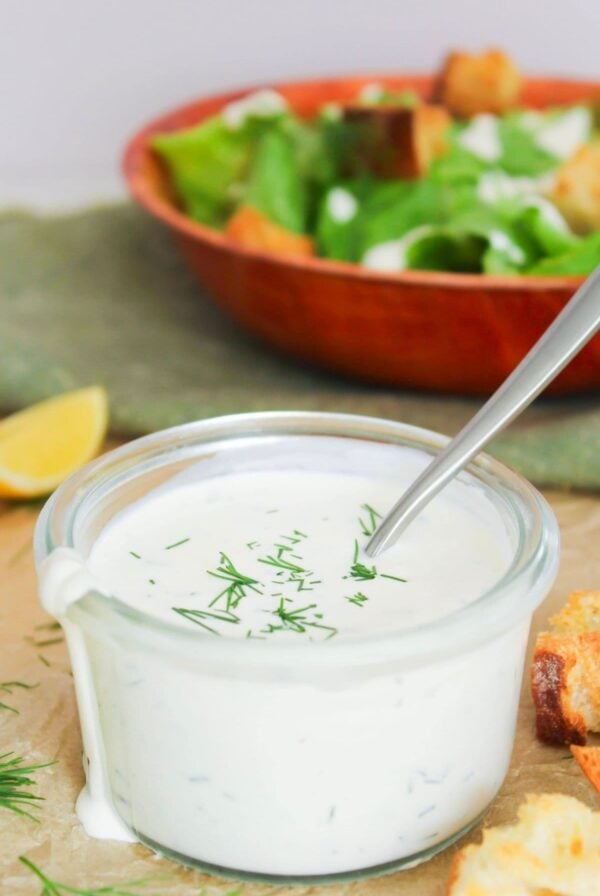
Cultured buttermilk is also incredibly useful in baking. Use it to make sourdough discard pancakes, sourdough discard waffles, homemade ranch dressing or buttermilk sourdough bread.
Using the cream in this recipe, I generally get around 320 g of cultured buttermilk, although your yield will vary depending on the cream and how thoroughly you work the liquid from the butter.
What Does Cultured Butter Taste Like?
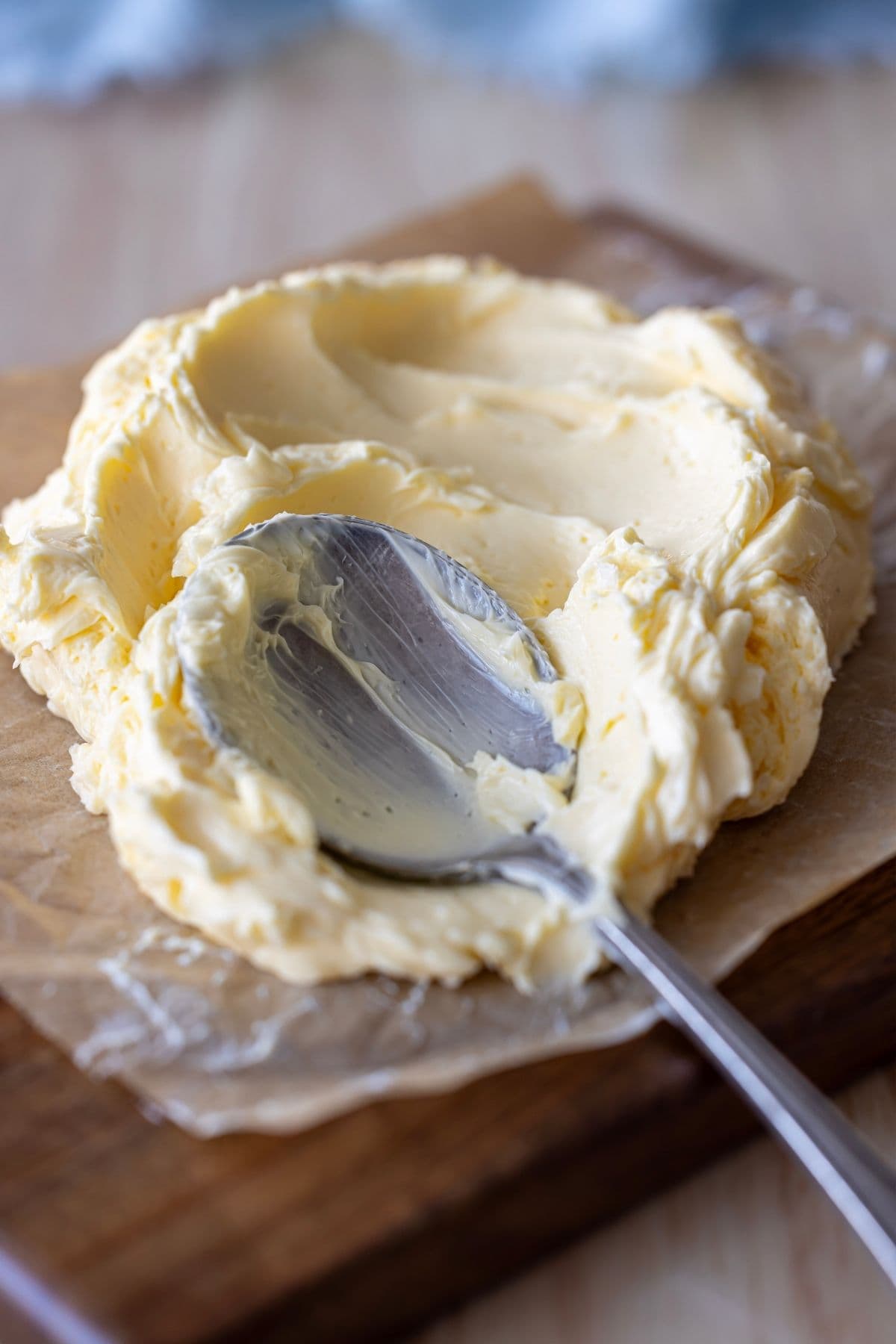
Cultured butter doesn’t taste strongly sour. Fermentation gives it a deeper, richer butter flavor with a gentle tang and slightly nutty finish. The difference is especially noticeable when you keep things simple and spread it over freshly baked sourdough bread.
What To Spread Cultured Butter On?
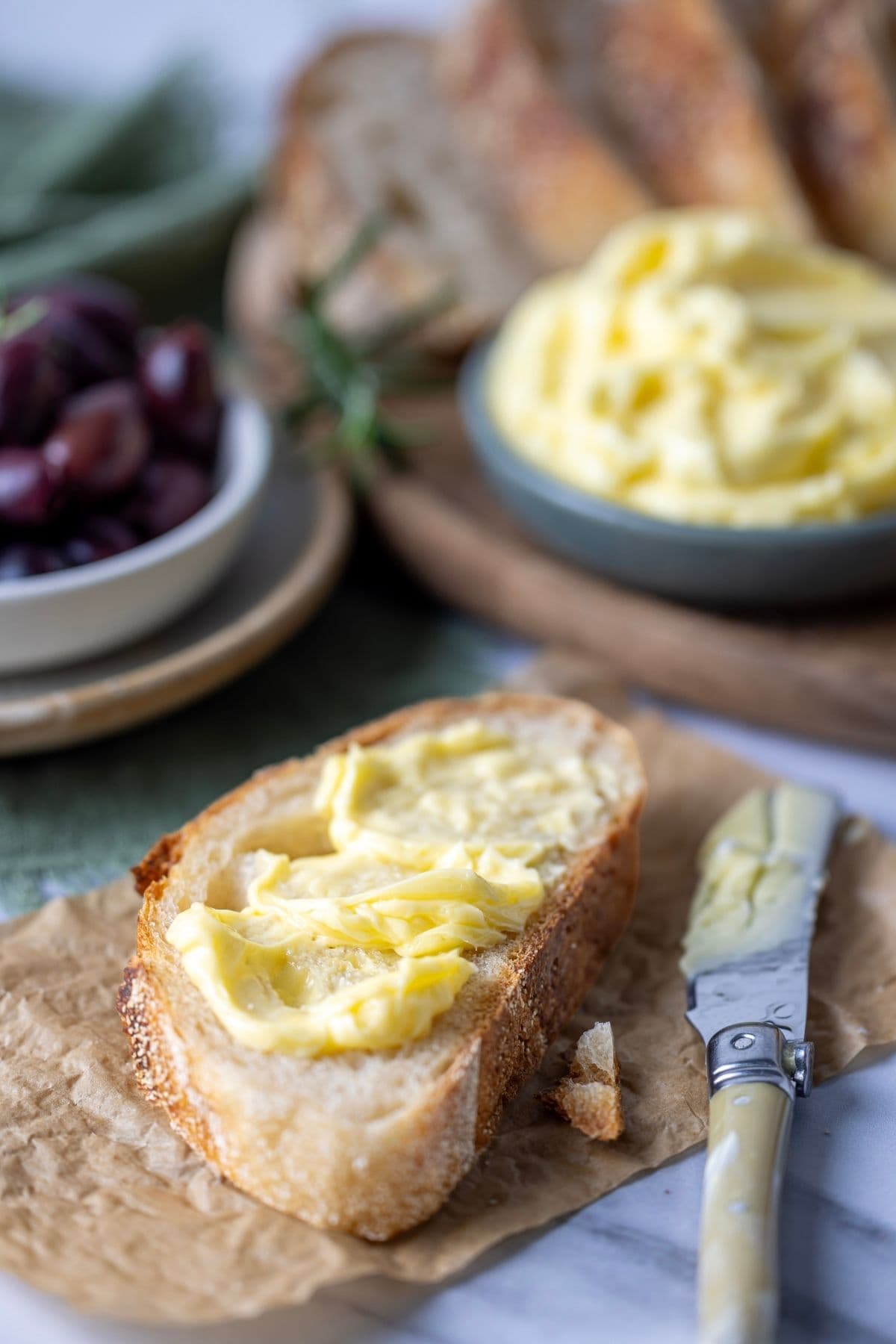
Cultured butter is especially worth using where its flavor can really shine. I love spreading it over Italian herb and cheese sourdough bread, sourdough dinner rolls, flaky sourdough biscuits and sourdough baguettes.
It also makes a lovely addition to a grazing board or a beautiful homemade gift when paired with a loaf of sourdough discard banana bread or sourdough discard pumpkin bread.
Cultured butter also works beautifully as the base for flavored butters such as whipped herb butter, where its deep, nutty flavor pairs really well with the fresh herbs.
How To Store Cultured Butter
Refrigerator – Store homemade cultured butter in an airtight container or wrapped tightly in parchment in the refrigerator. I recommend using it within 2 weeks for the best flavor and freshness, although thoroughly washed butter may keep for longer. Removing as much cultured buttermilk as possible during the washing stage is important for good keeping quality.
Kitchen Counter – You can leave it at room temperature if you like to have your butter easily spreadable. I store mine in a butter dish or butter bell on the counter for up to a week. Salting the butter is essential if you are leaving it on the counter.
Freezer – For longer storage, cultured butter freezes really well. Wrap it tightly or freeze it in smaller portions for up to 3 months.
How To Make Cultured Butter
Equipment
- Large Jar (1L is perfect)
- Digital Scale
- Stand Mixer with whisk attachment
- Ultra Fine Cloth (cheesecloth, muslin or nut milk bag)
Ingredients
- 600 mls Heavy Cream, (20 oz)
- 70 g Plain Yogurt, (with live cultures)
- 5 g Sea Salt, (optional)
- 2 L Cold Water
Instructions
Make The Cultured Cream
- Place the natural yogurt in the base of a large jar. Pour the heavy cream over the top of the yoghurt and gently stir the two together using a clean spoon. Place the lid on the jar and leave it to ferment at room temperature for around 12 to 24 hours.
- After 12-24 hours, you will have a jar of thick, cultured cream. You should see a few bubbles and the cream will look like it's been whipped.
- Place the jar of cultured cream into the fridge to chill for at least 1 hour. You can leave the cream to chill in the fridge for up to 24 hours if you want to.
Making Cultured Butter
- Once the cream is chilled, pour it into the bowl of a stand mixer. Using the whisk attachment, whip the cultured cream until it separates into butter and buttermilk. Start at a low speed and gradually increase to speed 9-10, making sure you're using the splatter guard as the buttermilk splashes everywhere! It will take up to 5 minutes for the butter and buttermilk to separate, depending on the age and brand of cream you're using.
- Strain the buttermilk into a jar and put aside. Return any pieces of butter caught in the strainer to the rest of the butter.
- Using your hands, squeeze as much of the buttermilk out of the butter as you can. You can also wrap the butter in a fine cloth and use this to squeeze the buttermilk out if you prefer.
Washing The Butter
- Return the butter back to the bowl of your stand mixer and cover the butter with at least 1L of icy cold water. Turn the stand mixer onto a low speed and gradually increase it to a medium-high speed until the water turns cloudy.
- Now, place the cloth over another bowl and pour the water and butter out into it. Use the cloth to strain out the butter by wrapping it and squeezing it as hard as you can. Toss out the water.
- Repeat the washing of the butter one more time, straining it again through the cloth and squeezing out as much water as you can.
Salting The Butter
- Clean and thoroughly dry the bowl of your mixer and return the clean butter to the bowl. Add the sea salt and whip the butter until it's pale and creamy.
- Transfer the butter to a clean butter bell or jar for storage.
Nutrition
Nutrition information is automatically calculated, so should only be used as an approximation.
Like this? Rate and comment below!











Does it matter if it’s regular plain unsweetened yogurt or plain unsweetened plain yogurt? I don’t really know what the difference between the two.
I meant regular vs Greek yogurt
No it shouldn’t make too much difference, as long as it’s unsweetened and contains live cultures.
What if I over mix? I passed the point where the curds separate. Now I have a beautiful icing looking product.
When you say “wash” the butter in the mixing bowl on step 9, does that mean running the mixer with a low speed and for how long? Just not sure how to use a mixer to wash butter. Thanks.
I just wanted to thank you for sharing this recipe and how to make it. I made it yesterday and like it much better than using sweet cream butter. It’s still butter but slightly different tasting in a great way and ideal for slathering on bread or any other baked good that you would slather butter on. YUM!!!
I make yogurt in my instant pot. Would it be ok to put the jar in there? Or even just the cream and yogurt directly into it like yogurt as long as I have the right temperature?
I have some buttermilk from making butter with a cheese culture, it didn’t change the taste of the butter, however the buttermilk resulting from it is quite tasty so I want to use that to culture the next lot of cream how much should i use? hope you can tell me, cheers Claudine
This looks incredible, and I’m glad you can use yogurt; I started making homemade yogurt a few weeks ago, so it’ll be perfect. Thank you!
Hi! I made cultured buttermilk. But I accidentally put the salt in at the beginning before I cultured the cream. I tried making the butter. It separated,
but is still white in color and it looks similar to cottage cheese or a rough sour cream. I ran the mixer off and on for 15 minutes, checking it at different intervals and at different speeds. With this description and without a picture, what do you think I could do with it?
Btw. I’ve been making my own butter for a year and thought I’d give the cultured butter a try.
Help!! My cultured yogurt had set and when I went to whip it for the butter to separate it just did not happen. I used my kitchen aid and went at it at speed 4-6 for almost an hour. Nadda. The. I stuck it into the fridge again and next morning g tried to do it in my vitamix. Still wouldn’t separate. Any ideas? I have 4 pints of this. What can I do and how to use it up?
Can kefir be used in place of yogurt?
I haven’t tried using Kefir to make cultured butter but it could be worth an experiment 🙂
He, Made my first batch just now … it’s really yum!
Just a question, is there a way to determine the total fat content in %?
If I would like to make the most wonderful sourdough croissants, I could used my diy butter, if the fat content is at least 80%.
I’ve made this a few times now and LOVE it! Now I’m wondering if it can be made with kefir which like yogurt (but more liquidy and I think tangier) and has a ton of live cultures.
I have used ultra pasteurized cream for my butter for 5 years and it turns out just fine and cultures just fine.
Hi, Why culture the cream at 25C when I would culture at 43C to make yogurt?
Thank you so much for this recipe. I have made the butter twice now. I have found that leaving the cream and yogurt mixture for longer than 24 hours creates a creamier butter and richer buttermilk.
Just wondering – what does washing the butter do?
It washes the buttermilk out of the butter, making it last longer!
Amazing, I love your recipe. Specially to enjoy with sourdough bread! Why do you said butter milk resulted of the process it’s a gold drink?
I’m not sure I understand this question but happy to answer if you can clarify further 🙂
This is awesome. I just recently made my own butter for the first time using the mason jar that I shook this sounds even better though I’ll have to pick up a stand mixer. question: I also made ghee from the butter I made. Could I make you from cultured butter?
You can definitely make ghee from the cultured butter. 🙂
What’s the purpose of putting the cultured cream into the fridge for 24 hours? I made this, but forgot that part. It turned out fine this time. But next time I want to follow your recipe without mistakes!
This is to make it easier to whip the cultured cream into cultured butter. When it’s cold it generally works better and separates more easily 🙂 I’m glad it worked for you even without chilling the butter 🙂 xo
BUTTER! I actually was able to make homemade butter and these instructions made it so easy, especially cleaning the butter IN THE MIXER! Genius, I tell you. Yea, yea…it’s messy. But nothing a couple of kitchen towels can’t handle. This was fun. Thank you for posting this recipe.
Can I use Greek yoghurt please? And does it make a difference if its full fat or 0% fat?
Full fat is better. You can use Greek yogurt, as well as it has live cultures to inocculate the cream 🙂